Cloud security
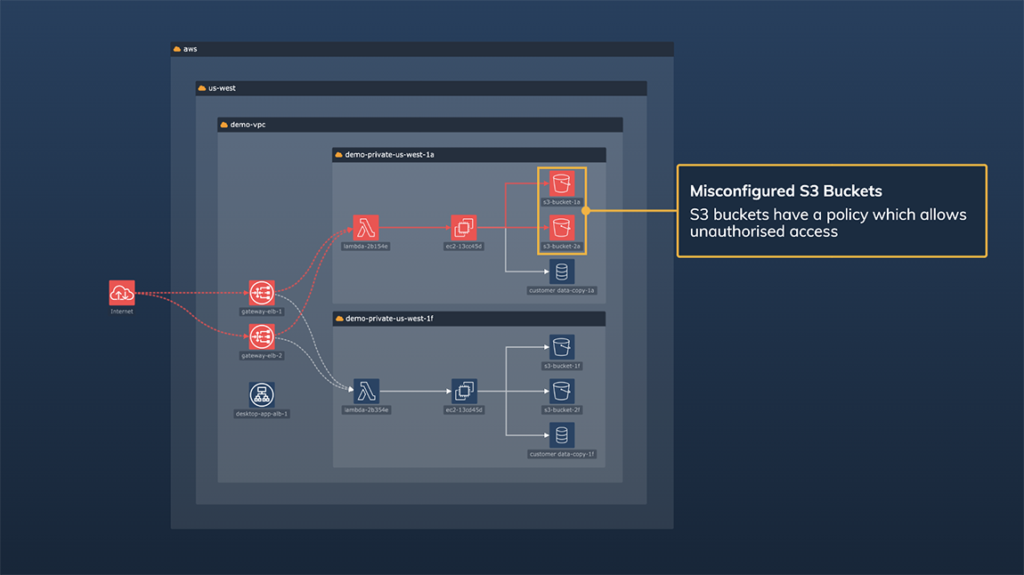
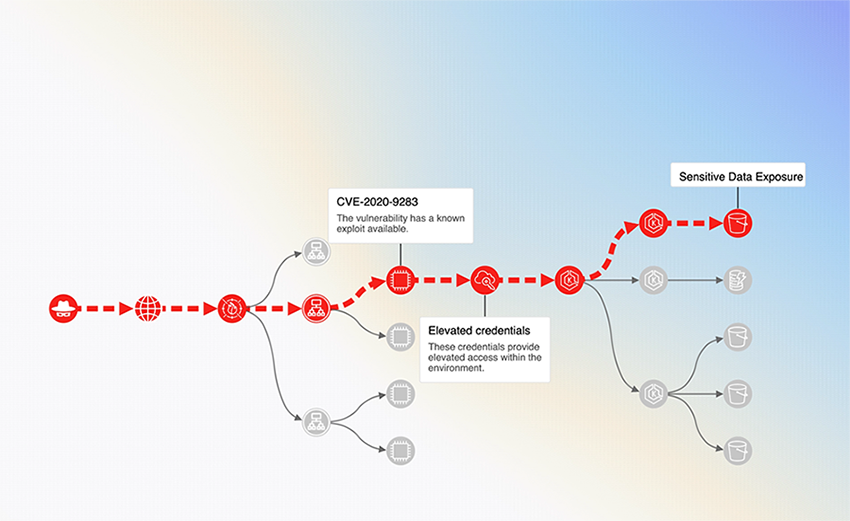
See how misconfigurations can create an attack path through cloud infrastructure, and focus on the relationships that explain where the risk comes from.

AI can help security teams identify what needs attention and automate more of the analysis. But when people need to understand, verify or act on those outputs, they still need the right context.
Data visualization provides that context.
Trusted by 250+ organizations worldwide




Cambridge Intelligence SDKs help software teams turn complex cybersecurity data into interactive visualizations that reveal relationships, activity over time and the wider context behind what matters.
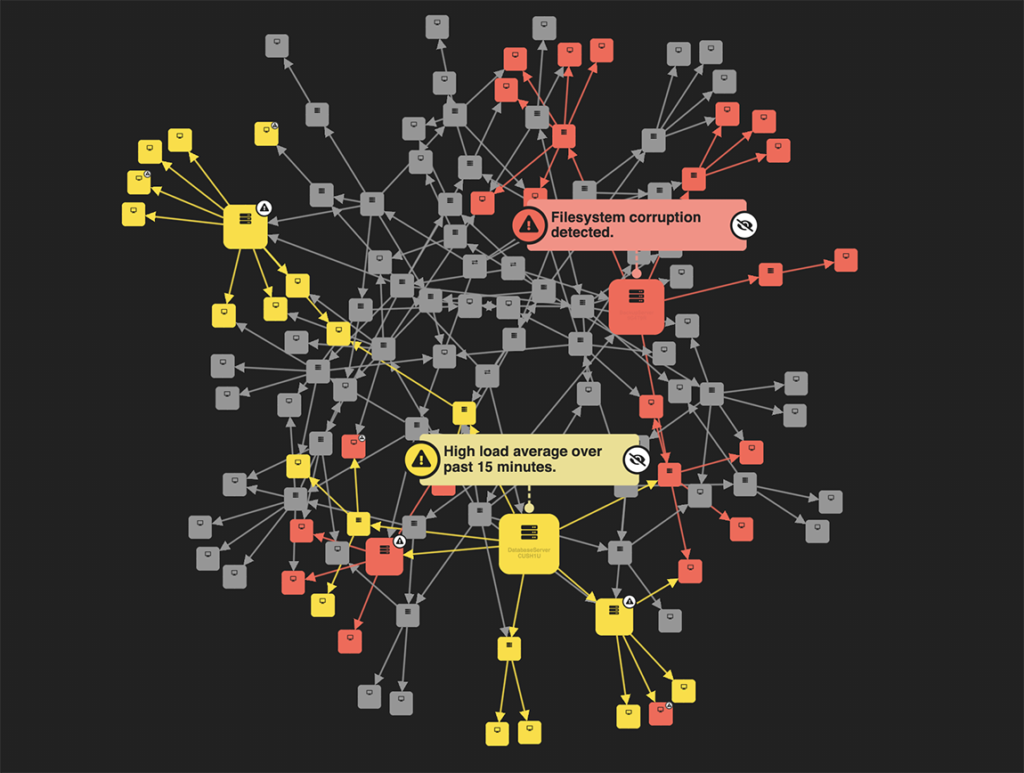
Cybersecurity applications can sit on top of enormous networks of identities, assets, vulnerabilities and activity. Users don’t need to see all of it. They need to see the part that matters for the task in front of them.
Visual context can help them understand:
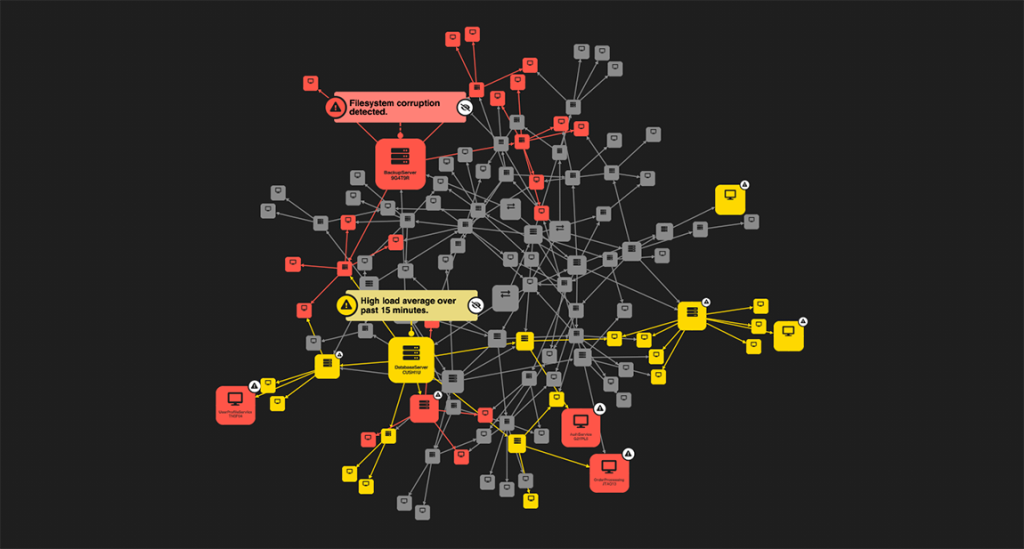
Show how identities, devices, vulnerabilities, assets and threats connect.
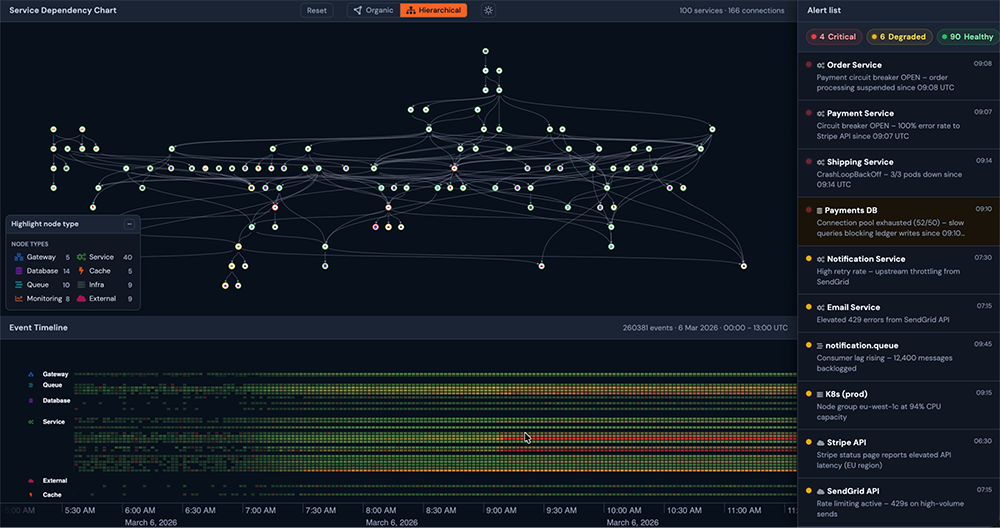
Understand how activity unfolded and how events relate to one another over time.
Highlight attack paths, dependencies and the systems or data that could be affected.
Graph visualization has traditionally helped analysts explore complex networks and uncover patterns.
But security workflows are changing.
As AI and automated systems do more of the analysis, visualization increasingly has another role: explaining what has been found and why it matters.
A security graph may contain an enormous amount of relationships, but users don’t need to see the whole network. They need the important waypoints: the vulnerable asset, the attack path, the identity with unexpected access, or the connection that explains why an alert matters.
That is the shift from explore to explain.
See how misconfigurations can create an attack path through cloud infrastructure, and focus on the relationships that explain where the risk comes from.
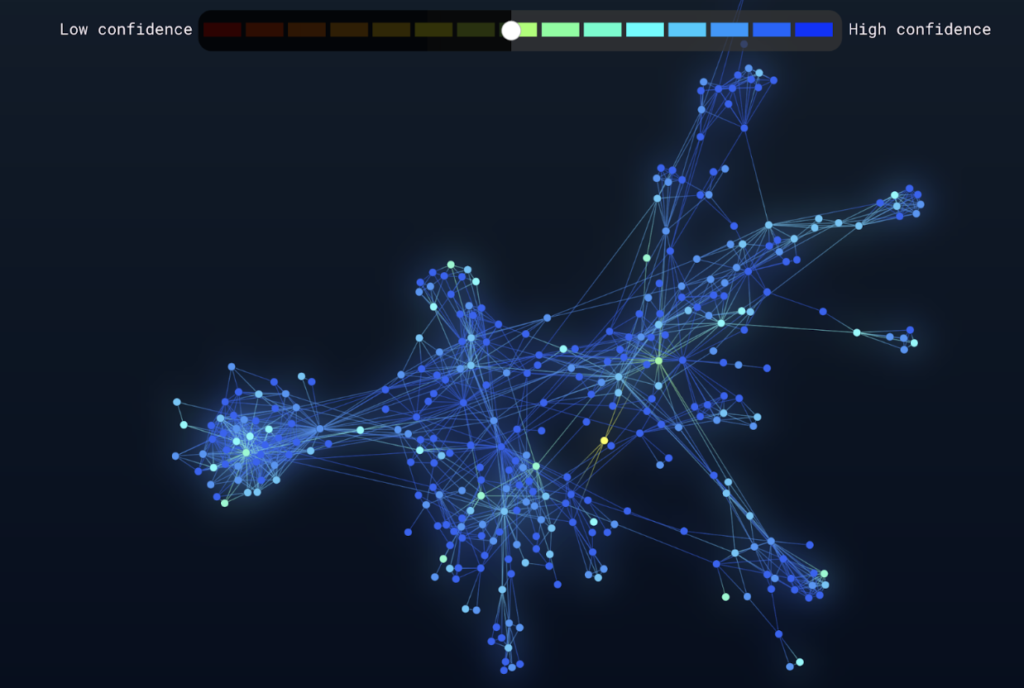
AI can reduce noise, but it can also create a new “wall of text” of summaries, explanations and recommendations.
Visual interfaces can help users understand what an AI system is recommending and why. They can support a human decision before an important action is taken, or provide a visual audit trail when an automated system has already acted.
The goal is to give the right information to the right person at the right time.
Cambridge Intelligence SDKs give product and engineering teams the tools to build interactive experiences that reveal relationships and activity over time, so users can explore complex data and understand what matters.